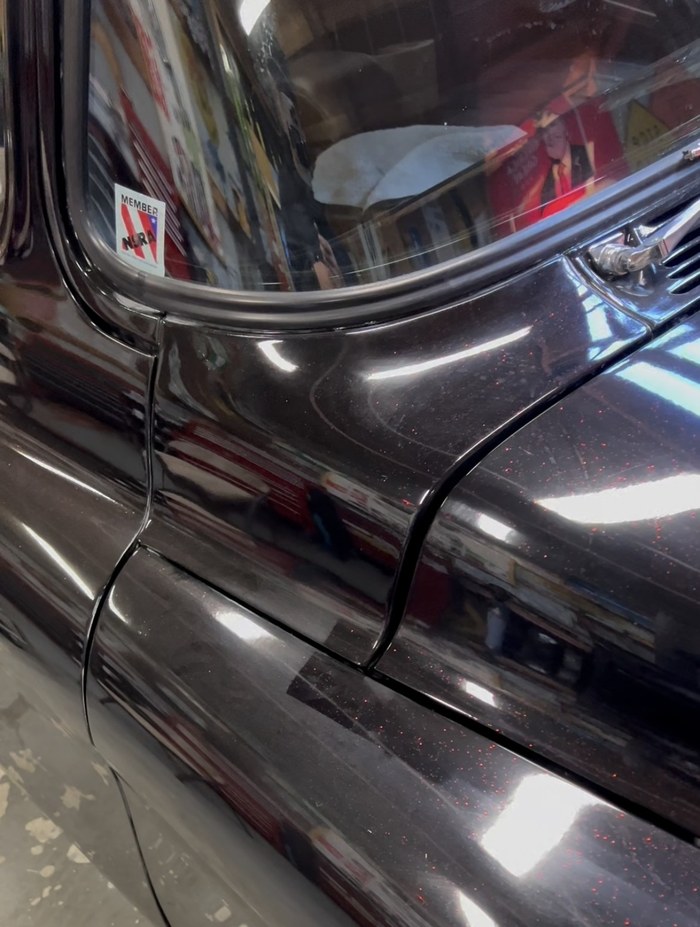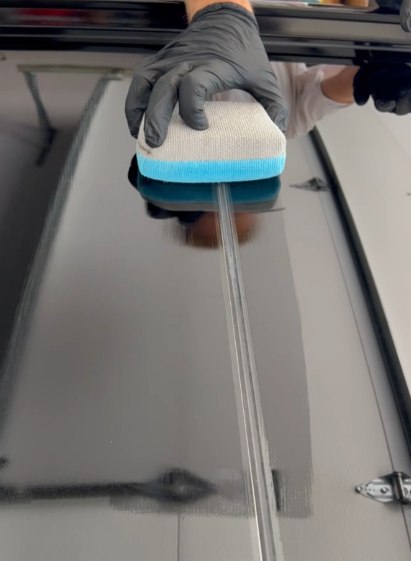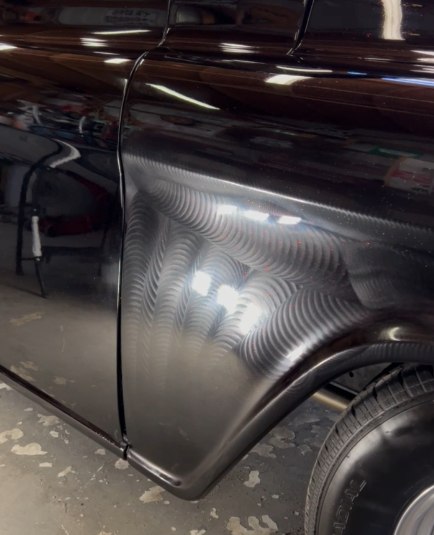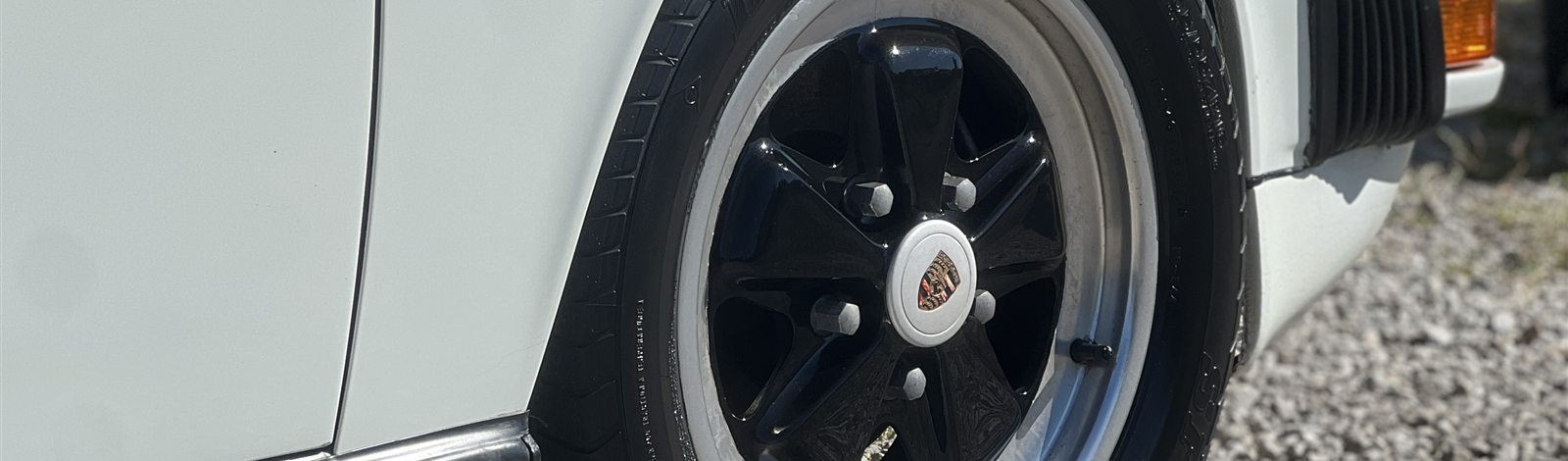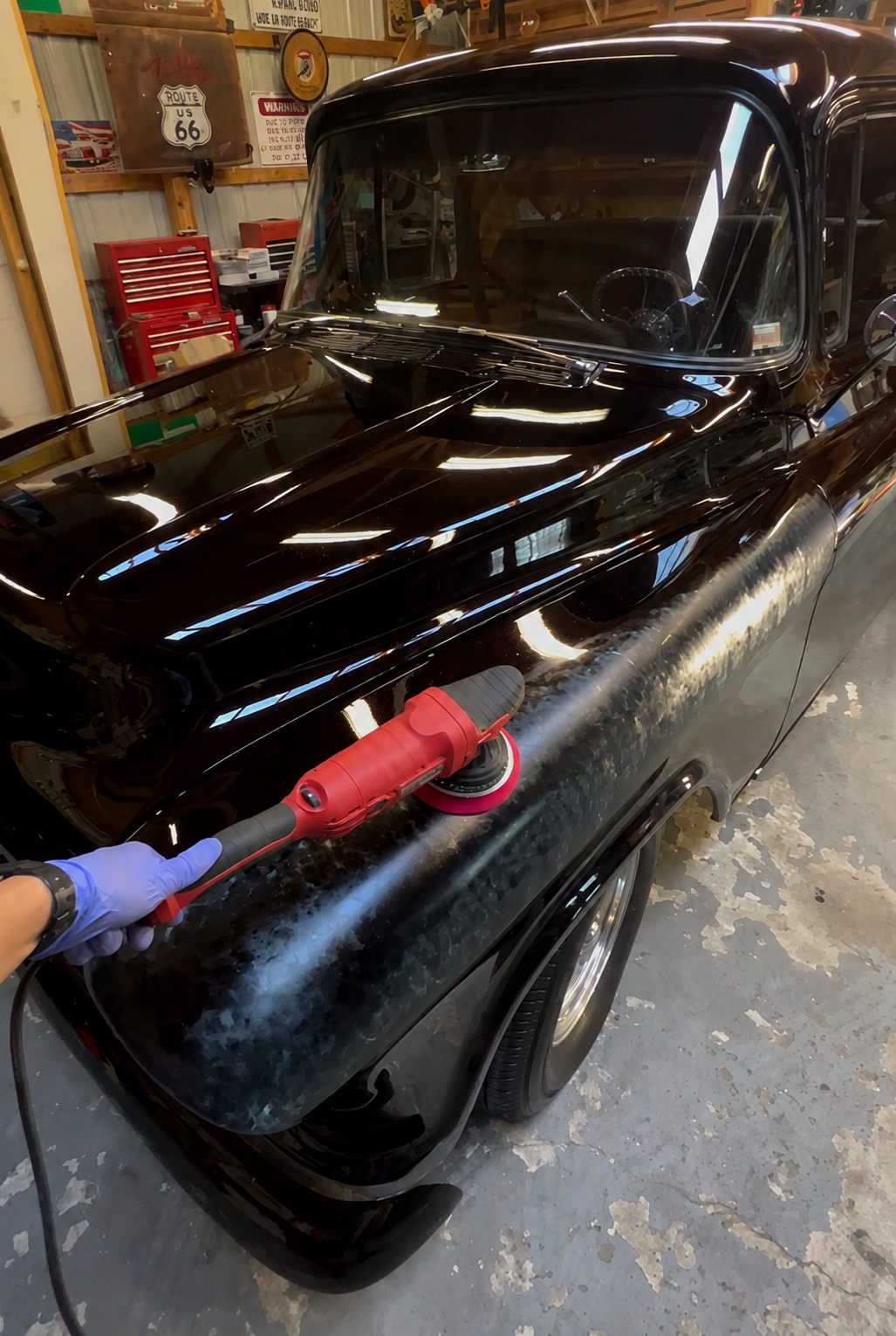
Machine polishing designed to remove swirl marks, light scratches, and oxidation-bringing back the depth, gloss, and clarity your paint had when it was new. Choose One-Step for a light enhancement or Two-Step for a more thorough correction.
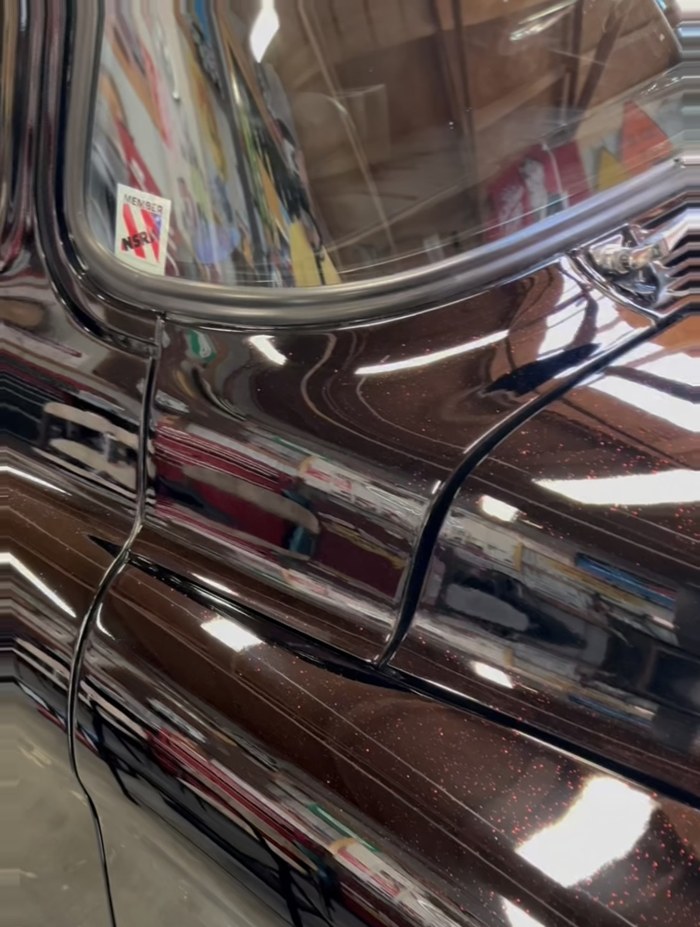
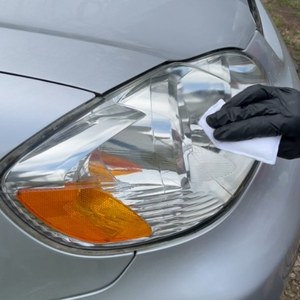
Most dull-looking paint isn’t actually worn out – it’s covered in fine scratches. Automatic car washes, rough wash mitts, and years of exposure can leave a web of tiny scratches across the clear coat. Instead of reflecting light cleanly, those scratches scatter the light, making the paint look flat, hazy, and less vibrant.
Waxes and sealants can temporarily fill or mask some of these imperfections, but polishing actually removes them. A machine polisher carefully removes a microscopic amount of clear coat to level the surface, allowing light to reflect more evenly. The result is deeper color, sharper clarity, and a much more refined finish.
Instead of simply hiding paint defects, polishing corrects them.
If a scratch catches your fingernail, it’s usually too deep to fully correct with a polish.
Drag the handle across the photo – or just tap where you want the line. Nothing here is a stock image or a lighting trick; it’s the same panel photographed in the same spot before and after polishing.
See More Before & AftersBoth are professional machine polishing services. The difference is how much correction the paint needs – and how far we take it.
A single-stage machine polish that lifts gloss and clears light swirling and haze, then refines the finish for clarity and depth – without the more aggressive cutting stage.
A cutting stage levels the defects in the clear coat, then a finishing stage refines the surface to maximum gloss. This is the one that changes how the car looks from across the parking lot.
Polishing is the part people picture, but most of the result comes from what happens before the machine ever touches the paint.
A full foam bath and contact wash, followed by paint decontamination to remove embedded contaminants and mineral deposits from the clear coat. Polishing contaminated paint can simply grind that debris back into the surface.
We inspect the paint under direct lighting to determine how deep the defects actually are, then correct a small test section first. This allows us to confirm the proper pad and polish combination before moving on to the entire vehicle.
A cutting polish levels the clear coat to remove swirl marks, light scratches, and oxidation. This is the stage that does the majority of the actual paint correction.
A finishing polish refines the surface after the cutting stage, bringing the paint back to its maximum gloss, clarity, and smoothness. On a One-Step correction, this is the level of correction you receive.
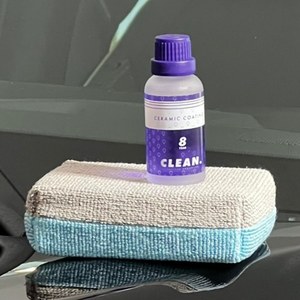
A paint sealant is applied over the corrected finish, giving the paint a layer of protection before the vehicle leaves. If you’re looking for protection measured in years rather than months, that’s where a ceramic coating comes in.
We walk around the vehicle with you before calling the job complete, so you can see exactly what was corrected and where the paint had limitations. Nothing is considered finished until it’s right.
A One-Step Polish is an important prep step before applying a ceramic coating. The coating bonds best to a clean, corrected surface, so polishing helps refine the paint before protection is applied.
If you’re planning to protect your paint long-term, it’s worth doing both in the same visit.
See Ceramic Coating Packages
Most visits combine more than one of these. If you’re not sure what your vehicle needs, the Instant Quote will walk you through it.